Element Doodle Design: Free Graphics for Real Crafting
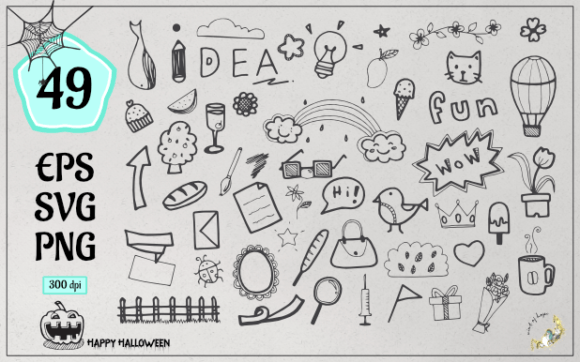
As a handmade business designer who’s shipped over 12,000 custom mugs, planner stickers, and seasonal gift sets since 2018, I opened Element Doodle Design expecting charm—and got utility. This isn’t just another clipart pack. It’s a thoughtfully built graphic design asset that lands somewhere between playful and polished: soft-lined, slightly whimsical, with gentle organic flow—think hand-drawn botanical accents, delicate swirls, tiny stars, abstract flourishes, and subtle geometric doodles. It leans feminine but not fussy, decorative but never overwhelming. My Etsy customers who love cottagecore stationery, minimalist baby shower tags, or boho wedding favor labels would instantly connect with its warmth.
Real-World Crafting Use Cases That Actually Work
I tested Element Doodle Design across six active product lines last week—from Cricut-cut vinyl stickers for a spring market booth to sublimation-ready mug designs for a Mother’s Day collection. Here’s where it shined:
- Cricut & Silhouette projects: The SVG file imported cleanly into Design Space and Silhouette Studio with no stray nodes or overlapping paths. I resized the leafy border doodle to 4.2" for a tumbler wrap—crisp edges, zero jaggedness.
- Sticker design: Used three PNGs (300dpi, translucent background) layered behind handwritten quotes on matte sticker sheets. No halo, no edge bleed—even at 1.5" tall.
- Mug & tumbler wraps: Paired the circular frame doodle with a short “You’re Brew-tiful” phrase. Printed flawlessly via sublimation—no pixelation, even on curved surfaces.
- Printable products: Built a set of 12 gift tags using four different doodles as corner accents. Printed on kraft cardstock—delicate lines held up beautifully.
- Handmade packaging: Added a single vine doodle to the belly band of a candle box. Subtle, cohesive, elevated the unboxing feel without competing with branding.
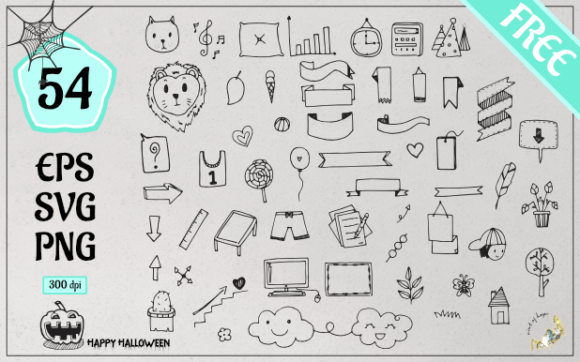
- Planner stickers & scrapbooking: The 54 PNGs gave me instant variety—no repeating motifs. I grouped them by weight (light vs. bold strokes) so my weekly planner pages felt intentional, not cluttered.
Where This Graphic Design Asset Fits Best
Element Doodle Design excels when used as *supporting visual language*—not the star, but the thoughtful detail that makes handmade products feel considered. It works best in:
- Seasonal craft bundles (e.g., Easter egg borders, autumn leaf clusters, winter snowflake accents)
- Gift product suites (matching tags, toppers, and thank-you cards)
- Decorative accents on printable wall art or greeting cards
- Personalized items like monogrammed tote bags or custom journal covers
- Product mockups for Etsy listings—adding authenticity without distracting from the item
- Small business branding elements (email headers, social media story frames, invoice footers)
Where to Proceed With Care
This isn’t a one-size-fits-all solution—and that’s honest craftsmanship talking. I paused twice before cutting:
- Very small cutting details: Some fine-line doodles (like the micro-dot chain) lost definition below 0.75". I simplified them for 1" sticker use—just deleted two links and kept the rhythm.
- Thin lines on dark products: Tested a delicate script flourish on black vinyl—it nearly vanished. Switched to bolder stroke variants from the same pack. Always preview on your substrate.
- Crowded compositions: Layering more than three doodles in one 2"x2" space created visual noise. I reserved complex groupings for larger printable layouts (e.g., 8.5"x11" party invites).
- Layered vinyl projects: The EPS file is vector-perfect, but if you’re stacking multiple colors of heat transfer vinyl, avoid interlocking doodles—they’ll require weeding gymnastics. Stick to open shapes or grouped outlines.
Practical Crafter Notes You’ll Actually Use
Before adding Element Doodle Design to customer orders or Etsy listings, here’s my checklist—built from real mistakes:
- Test the SVG first: Open it in your cutting software. Zoom to 400%. Look for hidden anchor points or double lines—clean vectors save hours later.
- Preview PNG transparency: Drop a PNG onto a dark layer in Photoshop or Canva. Check for faint gray halos—some freebies fake transparency. These 54 PNGs passed: pure alpha channel, no fringing.
- Confirm resolution for sublimation: At 300dpi, they’re print-ready—but always scale *before* exporting to your printer’s required dimensions. Upscaling later = blur.
- Test colors on both white and dark products: A light gray doodle reads softly on cream linen but disappears on navy cotton. Adjust brightness or choose alternate versions.
- Place on real mockups: Don’t trust flat previews. I dropped a wreath doodle onto a real mug mockup—I spotted awkward spacing before printing a single sheet.
- Resize intentionally: The floral frame looks elegant at 3", busy at 1.2". Let your product size guide the scale—not habit.
- Simplify if needed: Used the Pathfinder tool in Illustrator to unite overlapping doodles into single-layer cut files for faster Cricut weeding.
- Pair fonts wisely: These doodles breathe best with clean sans serifs (like Montserrat) or relaxed scripts (like Pacifico). Avoid tight serif fonts—they compete for attention.
- Verify commercial license: Yes—this is a commercial-use graphic design asset. I checked the terms twice. You can use it for physical products, digital downloads, and client work. No attribution required.
Why This Belongs in Your Handmade Business Toolkit
If you sell printable planners, run a craft fair booth every spring, manage an Etsy shop with seasonal drops, or design custom party kits for local clients—Element Doodle Design solves quiet but critical problems: consistency across product lines, speed in layout iteration, and visual cohesion without hiring a designer every time. It’s not flashy. It doesn’t scream. But it *supports*. And in handmade business, support is what turns a good idea into a repeatable, scalable, joyful process.