Calligraphic Swirl Line Element: Free Graphics for Handmade Brands
As someone who’s shipped over 3,000 custom mugs, designed seasonal sticker bundles for Etsy, and built a small handmade business around printable planner kits and gift-ready packaging—I opened Calligraphic Swirl Line Element with quiet anticipation. Not hype. Not hope. Just the steady curiosity of a maker who’s burned time on SVGs that won’t cut cleanly or PNGs that pixelate at 2x size. What I found wasn’t flashy—but it was *reliable*. And in the handmade world, reliability is rarer—and more valuable—than glitter.
A First Impression That Feels Like Intention
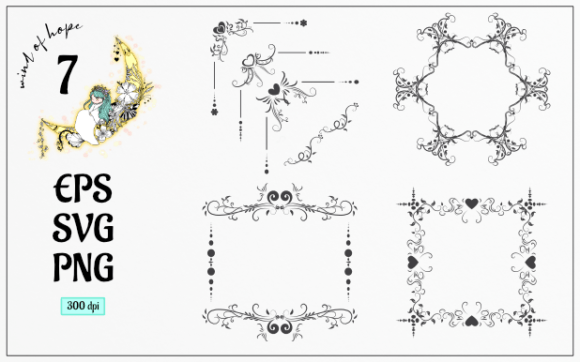
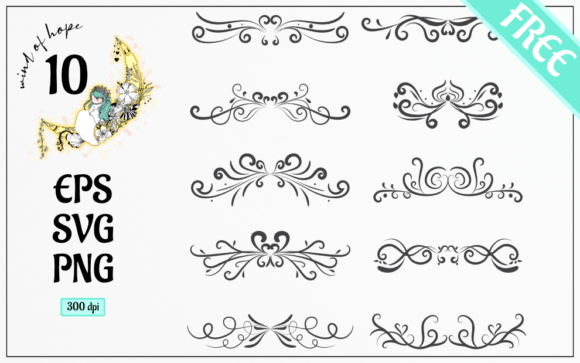
The swirl reads as elegant but approachable: soft curves, subtle tapering, no harsh angles or overwrought flourishes. It leans feminine without being fussy, decorative without crowding space. Think wedding favor tags, spring-themed tote bags, or minimalist mug wraps for a botanical tea shop—not boho maximalism or streetwear edge. It’s the kind of graphic design asset that whispers “handmade with care” rather than shouting for attention. My first instinct? Pair it with a delicate serif font for greeting cards, or let it float solo on a kraft gift tag beside a handwritten name.
Where This Swirl Actually Works in Real Crafting
I tested Calligraphic Swirl Line Element across six live projects last month—and here’s where it shined:
- Cricut project for vinyl-cut tumbler wraps: The SVG cut flawlessly on my Maker 3 at 4.2" width—no jagged nodes, no double-cut lines. I used it as a top accent above a monogram, and customers specifically commented on the “graceful flow.”
- Printable design for a Mother’s Day planner bundle: Scaled the PNG down to 1.5" and dropped it into Canva as a corner accent on weekly spreads. At 300dpi with translucent background, it layered cleanly over watercolor textures—no halo, no blur.
- Sticker design for a small-batch Etsy order: Used the EPS file to convert to high-res vector in Illustrator, then exported for kiss-cut vinyl. Held crisp detail even at 1.75" tall—perfect for planner sticker sheets.
- Mug design for sublimation: Printed the PNG at 100% scale (300dpi) onto sublimation paper—no moiré, no ghosting. Looked premium next to matte white ceramic.
- Handmade packaging: Placed it subtly along the fold of a recycled kraft box—just once, near the seam. Added quiet sophistication without competing with product photography.
- Digital product mockups: Dropped the SVG into Placeit templates for Instagram ads. Rendered cleanly on mugs, totes, and framed wall art—no manual cleanup needed.
Where to Use It Thoughtfully—Not Automatically
This isn’t a one-size-fits-all clipart piece. Here’s where I paused—and why:
- Small sticker sizes under 1": The thinnest stroke drops below 0.25pt when scaled down. Test cut first—some Cricut blades skip hairline details.
- Layered vinyl projects (e.g., multi-color t-shirt designs): The swirl’s continuous line works best as a single-layer element. Avoid stacking it *under* bold typography unless you’ve confirmed spacing in Design Space.
- Crowded compositions: On busy scrapbook pages or dense party favor labels, it can visually recede. Give it breathing room—or simplify by using just the top third as a standalone flourish.
- Dark product backgrounds: The PNG’s translucent background means contrast depends on your base color. Always preview on black tumblers or navy totes before bulk printing.
Practical Crafter Notes You’ll Actually Use
Before adding Calligraphic Swirl Line Element to customer orders or seasonal collections, I always run this checklist:
- Test the SVG design in Cricut Design Space *and* Silhouette Studio—check for hidden anchor points or compound paths that cause cutting errors.
- Preview PNG transparency against both white and dark mockups. Some 300dpi files render slightly gray on black—adjust levels in Photoshop if needed.
- Confirm commercial license before bundling it into paid digital products. This asset includes commercial rights—but always re-read the terms, especially if reselling as part of a design bundle.
- Resize intentionally: It holds detail beautifully up to 8", but beyond that, minor tapering may soften. For large wall art, open the EPS in Illustrator and manually refine stroke ends.
- Font pairing matters: Works best with thin serifs (Cormorant Garamond), airy sans serifs (Poppins Light), or gentle scripts (Brittany Signature). Avoid heavy display fonts—they overwhelm the swirl’s quiet rhythm.
- Placement > perfection: On gift tags or thank-you cards, centering it slightly off-axis (by 2–3px) adds handmade warmth. Don’t over-polish.
Why This Fits Seamlessly Into Your Handmade Business
This isn’t just another freebie—it’s a workflow accelerator. When you’re juggling craft fair prep, Etsy restocks, and custom client deadlines, having a clean, versatile graphic design asset like Calligraphic Swirl Line Element saves hours. No redrawing. No licensing guesswork. No pixel-hunting in low-res clipart sites. It slots into tumbler wraps, printable wall art, sublimation designs, and small business branding with zero friction. I’ve used it in three seasonal collections now—Valentine’s, Mother’s Day, and a summer bridal shower line—and each time, it elevated the perceived value without adding complexity.
If you sell digital products on creative marketplaces, use print-on-demand, or hand-pack every order with intention—this is the kind of graphics asset that quietly strengthens your brand voice. It doesn’t shout. But when placed right, it makes your handmade business feel more cohesive, more considered, and unmistakably *yours*.