Web Element Doodle Vector: Graphics for Warm, Human-Centered Web Elements
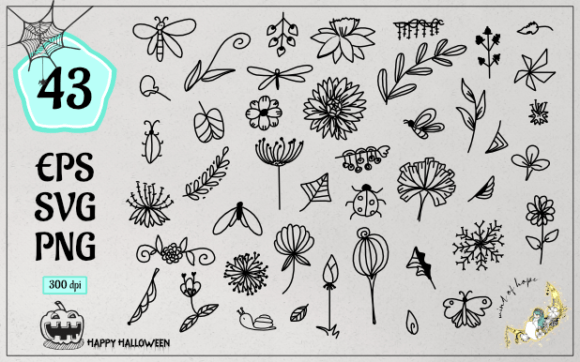
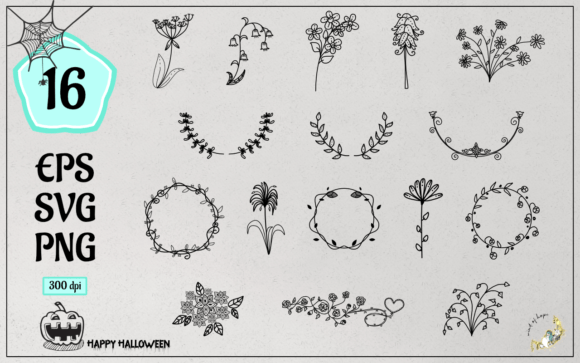
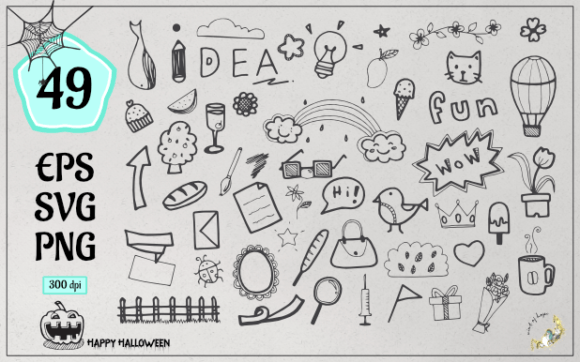
As a brand designer who’s helped over 80 local businesses—from artisanal candle makers in Portland to family-run bakeries in Austin—build cohesive, shelf-ready identities, I opened Web Element Doodle Vector expecting another generic clipart pack. Instead, I found a quietly confident set of hand-drawn motifs: looping vines, soft-edged stars, scribbled hearts, and organic flourishes that breathe like real pen-on-paper sketches. It’s not flashy—but that’s precisely why it works so well for small business branding.
This graphic design asset lands squarely in the “friendly handmade” lane: warm, approachable, and intentionally imperfect. It suggests authenticity—not sterile polish—and fits naturally with brands rooted in care: small-batch skincare lines, children’s toy shops, seasonal farmers’ market vendors, floral studios, and ceramic studios selling mugs and planters. It doesn’t scream luxury or corporate authority—it whispers craft, connection, and local presence. That makes it ideal for businesses where emotional resonance matters more than rigid uniformity.
Where It Strengthens Real Local Business Branding
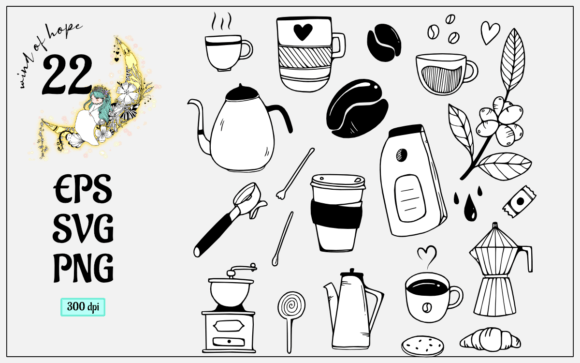
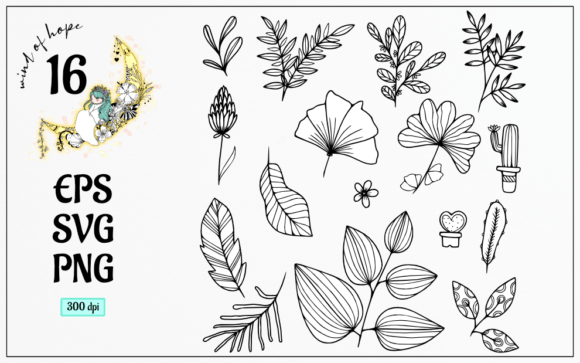
In practice, Web Element Doodle Vector becomes a quiet workhorse across touchpoints. For a lavender-scented candle brand launching holiday packaging, I used one of its delicate leaf doodles as a repeating border on kraft paper labels—adding tactile warmth without overwhelming the minimalist typography. For a coffee roaster’s seasonal menu board, I layered three SVG doodles (a steam swirl, a bean icon, and a tiny mug) into a custom corner flourish—giving digital signage a handcrafted feel that matched their in-store chalkboard aesthetic.
It shines brightest where human-scale charm lifts functional design: product labels that need personality without clutter, hang tags for handmade soap bars, thank-you cards tucked into boutique orders, and Instagram story graphics for pop-up shop announcements. Because it includes 49 PNGs at 300dpi with translucent backgrounds, you can drop them directly onto food labels, fabric sticker sheets, or matte-finish mailers—no awkward white boxes or pixelated edges. The SVG and EPS files let you scale effortlessly for large-format posters or fine-detail embossing on packaging.
How It Builds Trust and Recognition
Small customers don’t scan for logos—they notice consistency. A single doodle repeated across a jar label, website banner, and receipt stamp creates subconscious recognition. When a customer sees that same looping vine on your Instagram post, your compostable shipping tape, and your seasonal flyer, they register your brand as intentional—not accidental. That consistency builds trust faster than any tagline.
Web Element Doodle Vector supports stronger visual hierarchy by acting as a subtle anchor—not competing with core messaging, but framing it. On a crowded farmers’ market booth sign, a light doodle border draws the eye inward toward pricing and flavor names. On a printable insert for a subscription box, it adds rhythm between paragraphs without demanding attention. And because each element is drawn with varied line weights and organic spacing, it avoids the robotic repetition common in AI-generated clipart—making your marketing visuals feel genuinely human.
Smart Placement: Where This Graphic Design Asset Excels
- Product labels—as borders, corner accents, or background textures beneath clean typography
- Packaging design—printed on tissue paper, stamped on twine tags, or foil-debossed on rigid boxes
- Hero graphics—scaled up for social media banners or website headers with soft contrast
- Decorative brand elements—repeating patterns for email footers, printable gift tags, or café napkin designs
- Seasonal campaign visuals—swapping out doodles (snowflakes → blossoms → leaves) to signal transitions without redesigning entire systems
Cautious Use: Contexts That Demand Extra Review
While versatile, Web Element Doodle Vector isn’t universal. Avoid using it in formal corporate branding—its relaxed energy undermines authority-driven messaging. Steer clear on very small labels (under 1.5" wide), where fine-line doodles lose clarity. Don’t layer it densely over ingredient-heavy layouts or legal disclaimers; it risks visual noise. And if your brand leans into luxury minimalism—think monochrome serif fonts and uncoated stock—these doodles may read as distracting rather than enhancing.
Also test carefully against low-contrast backgrounds (e.g., cream on ivory, light grey on off-white). Some PNGs rely on subtle tonal variation—what reads beautifully on screen may vanish in print without a solid color base or slight stroke adjustment.
Practical Brand Designer Notes for Small Business Owners
Before locking in Web Element Doodle Vector for client work or your own product line, run these checks:
- Test it on real packaging mockups—not just digital previews—to see how line weight holds at actual size
- Convert key doodles to grayscale and preview on black-and-white printouts—do shapes remain legible?
- Drop them beside your brand fonts: does a script font feel harmonious? Does a bold sans-serif create pleasing tension—or visual conflict?
- Check transparency in your editing software—some PNGs include anti-aliased edges that blur slightly on dark backgrounds
- Open the SVG in Illustrator or Affinity Designer—confirm paths are clean and editable, not rasterized groups
- Compare usage against top 3 local competitors’ packaging—does it differentiate, or blend in?
- Verify commercial licensing covers physical product sales, not just digital use—many creative marketplace assets restrict merchandising rights
Used thoughtfully, Web Element Doodle Vector isn’t just decoration—it’s a tool for building familiarity, reinforcing values, and making everyday interactions feel personally curated. For local businesses competing on heart, not just price, that subtle humanity in your packaging design, social media graphics, and product mockups isn’t optional. It’s the difference between being seen—and being remembered.