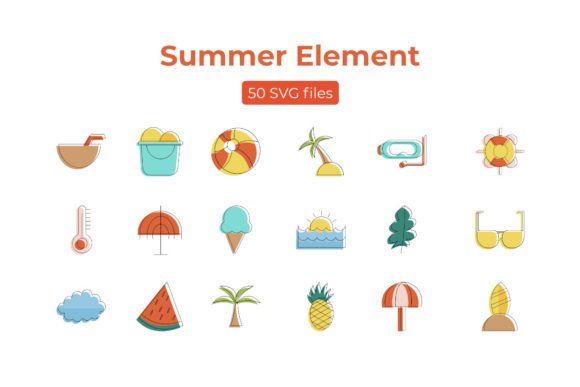
Summer Element: Web Elements & Graphics for Seasonal Branding
First Impressions: A Sun-Drenched, Hand-Drawn Vibe That Feels Authentic
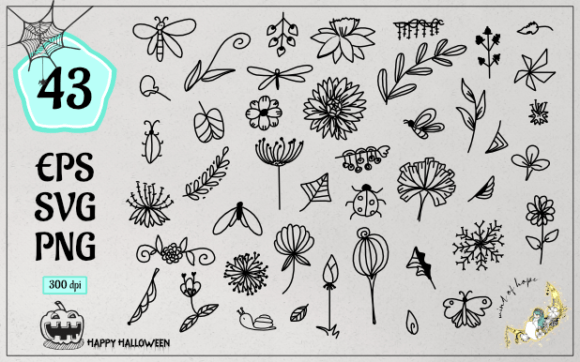
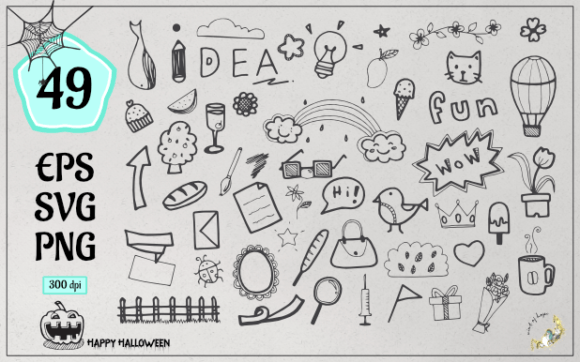
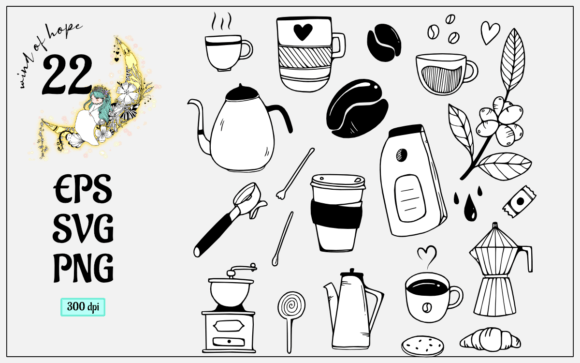
Opening Summer Element for the first time—especially the AI and EPS files—I immediately felt the warmth. This isn’t a sterile vector pack of generic palm fronds or overused sun icons. It’s a cohesive set of illustrations with intentional texture, subtle line variation, and organic spacing: think citrus slices with visible pith, wavy ocean lines that breathe, minimalist flamingos with just enough character, and layered sunbursts that suggest light—not glare. The mood is relaxed but intentional: summery without being kitschy, playful without sacrificing polish. For my current client—a small-batch candle brand launching a “Coastal Citrus” summer collection—this asset landed like a visual shorthand for exactly the feeling we needed to evoke: handmade, sunlit, grounded in nature, yet refined enough for boutique retail.
Where Summer Element Earns Its Place in Real Client Work
This graphic design asset shines brightest when supporting narrative-driven branding—not leading it. In logo design? Not as a primary mark, but as a supporting icon in a suite (e.g., on hangtags, website banners, or Instagram story highlights). For packaging design, it elevates matte kraft boxes beautifully—think a single lemon illustration stamped subtly on a soy wax candle lid or repeated as a border on a product label. As web elements, the SVG version scales flawlessly in hero sections or animated scroll effects; the clean paths hold up even when resized across breakpoints. For social media graphics, it adds instant seasonal context to Canva templates—no need to build from scratch. And for Cricut projects or printable wall art? The vector precision means crisp cuts and smooth vinyl weeding, especially on the SVG and EPS layers.
Top 5 Use Cases Where It Delivers Real Value
- Product mockups: Placed thoughtfully on mug, tote bag, or sticker sheet mockups, Summer Element adds believable seasonal texture without overwhelming the product.
- Editorial and blog visuals: Paired with serif or soft sans-serif body copy, it creates inviting, magazine-style layouts for lifestyle blogs or email newsletters.
- Sticker design & merch: The bold outlines and open negative space translate well to die-cut stickers and sublimation designs—no pixelation, no muddy edges.
- Seasonal campaign visuals: Works cohesively across Instagram posts, Pinterest pins, and digital ads when used consistently as a recurring motif—not a one-off decoration.
- Print-on-demand assets: With proper color separation and bleed checks, it holds up across t-shirt prints, throw pillows, and greeting cards—ideal for Etsy sellers building themed collections.
Where to Proceed with Intention—Not Assumption
Summer Element isn’t a universal fit. Its charm lies in its expressive, slightly imperfect hand-drawn quality—which means it should be used carefully in contexts demanding strict neutrality. Avoid cramming it into crowded layouts where detail gets lost (e.g., dense infographics or multi-column brochures). Don’t place it over busy photographic backgrounds without testing contrast—it needs breathing room. It won’t support minimalist corporate branding or high-end luxury positioning unless heavily edited or abstracted. And while it’s versatile, it shouldn’t carry visual hierarchy alone: pair it with strong typography, not rely on it to communicate clarity or authority.
Designer Notes You’ll Actually Use Before Hitting “Export”
Before committing Summer Element to a client file, I run these practical checks:
- Test in black and white: Does the core shape read clearly without color? (It does—especially the citrus and wave motifs.)
- Check contrast on light/dark backgrounds: The SVG exports cleanly with transparent backgrounds, but I always preview PNG exports at 72ppi and 300ppi to confirm edge integrity.
- Scale it down to 24px and up to full-screen: The vector files remain legible at both extremes—no anchor point bloat or path collapse.
- Drop it onto real mockups: Not just flat previews—tote bags, ceramic mugs, and kraft labels reveal how weight and proportion land in physical context.
- Verify commercial licensing: Confirm the license covers client deliverables, print-on-demand resale, and digital distribution—critical for Etsy shops and digital sellers.
- Font pairing test: It harmonizes best with warm sans-serifs (like Poppins or Montserrat), friendly scripts (Dancing Script, Pacifico), and earthy serifs (Cormorant Garamond)—but clashes with ultra-thin or rigid geometric fonts.
Why It Builds Trust—Not Just Decoration
When clients see thoughtful, cohesive seasonal assets like Summer Element woven into their brand identity, it signals attention to emotional resonance—not just aesthetics. For a handmade business, that consistency between Instagram post, product label, and printable thank-you card builds recognition and warmth. For a local event organizer, using it across flyers and digital ads creates continuity that feels human, not algorithmic. And for content creators building themed Canva templates or digital products, its flexibility across formats (SVG for web, EPS for print, AI for editing) makes it a reliable workhorse—not a one-trick clipart download. It doesn’t scream “designer,” but it quietly says “I understand your audience’s summer state of mind.”
Final Verdict: A Thoughtful Addition to Your Creative Toolkit
Summer Element isn’t flashy—but it’s dependable. It’s not minimal—but it’s intentional. As a graphic design asset, it supports storytelling more than it dominates it. For designers juggling multiple small business clients, bloggers launching seasonal content series, or crafters scaling printable designs, it saves hours of illustration time while preserving authenticity. Just remember: great web elements and graphics don’t replace strategy—they amplify it. Use Summer Element where mood matters, where seasonality enhances meaning, and where handmade charm strengthens connection. And always, always verify that commercial license before sending files to a client or uploading to a creative marketplace.