Halloween Elements. Spider Web.
A Clean, Spooky Silhouette That Stitches Well—If You Know Where to Place It
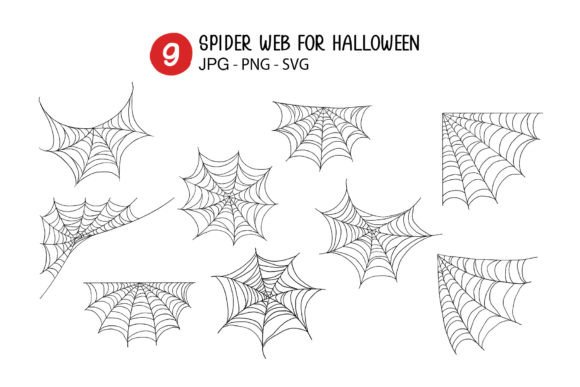
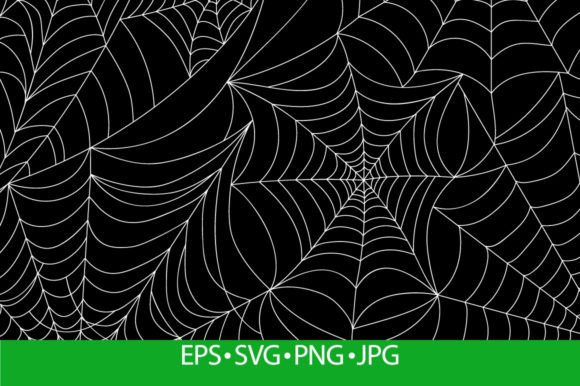
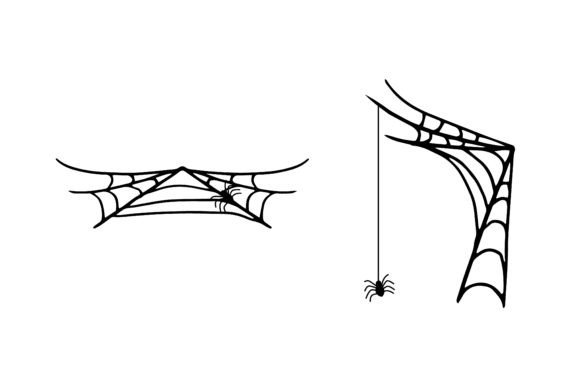
I pulled up Halloween Elements. Spider Web. last week while prepping a custom embroidered tote bag for a local boutique’s October launch. The client wanted something subtle but unmistakably Halloween—not cartoonish, not cluttered, just elegant spookiness. That’s exactly where this silhouette shines. It’s not a busy web with dangling spiders or glistening dewdrops; it’s a single, balanced, open-laced web, centered and symmetrical, with clean negative space and graceful radial lines. It reads instantly as “Halloween,” but without shouting. That restraint is rare—and valuable—for embroidery designers who care about how a design lands on fabric, not just how it looks on screen.
Fits Naturally in Thoughtful, Handmade Projects
This isn’t a design for loud festival tees or kids’ party hats. It’s built for the quiet confidence of a linen tea towel monogrammed with a tiny web in one corner. Or a soft cotton baby onesie, where the web sits just above the chest pocket—delicate, meaningful, and wash-friendly. I tested it on a lightweight sweatshirt (medium-weight French terry), using a medium-weight cutaway stabilizer and 40-weight rayon thread. The stitch density felt moderate—not sparse enough to gap, not dense enough to stiffen the fabric. The outer loops held crisp shape, and the inner intersections stayed legible even at 3.5 inches wide. That makes it reliable for sweatshirt embroidery, tote bag design, pillow covers, and even small embroidered patches meant for aprons or denim jackets.
It also works beautifully as part of a curated holiday embroidery collection—say, paired with a minimalist pumpkin or crescent moon from the same Halloween Silhouette Collection. As a standalone machine embroidery design, it’s strong enough to carry a product line: think Etsy seller bundles (“Spooky Simplicity Pack”), printable mockups for digital product previews, or small shop merchandise that leans into mood over mayhem.
Where to Use It—And Where to Pause
Because it’s a graphic template built around clean lines and open structure, Halloween Elements. Spider Web. performs best on stable, medium-weight fabrics: cotton twill, canvas, midweight knits, and tightly woven linens. It’s forgiving on dark fabric—especially when stitched in off-white, charcoal gray, or metallic silver thread—but avoid pairing it with ultra-thin or highly stretchy fabrics unless you add extra stabilizer and reduce stitch speed. On curved surfaces like caps or baby beanies, scale it down to 2.75 inches or less and test placement carefully—the radial symmetry can distort near seams or crowns.
Don’t force it into tight corners or layered garments (like reversible zip hoodies) without checking clearance. And while the file includes SVG, AI, EPS, JPG, and PNG formats—great for digital prep—it’s not inherently an applique design or satin-stitch-heavy motif. If you’re planning heavy decorative accents (e.g., combining it with lace trim or puff embroidery), treat it as a foundational element—not the focal texture.
What It Adds to Your Finished Product
Let’s be real: customers notice subtlety. A well-placed Halloween Elements. Spider Web. on a kitchen towel tells them you paid attention—not just to theme, but to craft. It elevates perceived value without raising price points. For handmade product sellers, that builds trust. For Etsy sellers and small shop owners, it reinforces brand consistency across seasonal collections. And for gift buyers? It reads as intentional, not mass-produced—especially when paired with natural fibers and thoughtful packaging.
It also supports professionalism in commercial embroidery. Because it’s not overloaded with micro-details or fragile filigree, it stitches reliably across machines—even older models—without frequent thread breaks or tension hiccups. That means fewer re-runs, cleaner production timelines, and happier clients.
Practical Designer Notes Before You Stitch
- Always test first: Run Halloween Elements. Spider Web. on scrap fabric matching your final project’s weight and stretch.
- Check contrast early: Preview it in black-and-white mockups—both light and dark backgrounds—to confirm visibility and balance.
- Review stitch density: If your machine struggles with fill areas, consider simplifying inner sections manually—or use it as a running stitch outline instead of a full fill.
- Confirm hoop size: At standard sizes (3–4 inches), it fits comfortably in most 5x7 hoops—but verify before digitizing or resizing.
- Inspect small details: Zoom in on junction points. Are they sharp? Do any lines taper too thin for your thread weight?
- Match stabilizer to fabric: Cutaway for knits, tear-away for stable wovens, and fusible + cutaway for lightweight or textured surfaces.
- Verify licensing: Since this is a Graphics asset sold as a Graphic Template, double-check the license terms before selling finished embroidered items or bundling it into digital embroidery files for resale.
Final Thought: Less Is Hauntingly More
Halloween Elements. Spider Web. won’t dominate a design—but it doesn’t need to. Its strength lies in quiet authority: a confident, scalable, stitch-smart silhouette that belongs on heirloom baby blankets as easily as on boutique aprons or limited-run sweatshirts. It’s the kind of digital embroidery file that makes your craft business feel intentional, not incidental. Use it where you want recognition without noise, charm without clutter, and Halloween spirit that lasts beyond October 31st.