Diagonal Element Abstract Horizontal Ban Graphics & Backgrounds
First Impression: Clean, Energetic, and Surprisingly Versatile
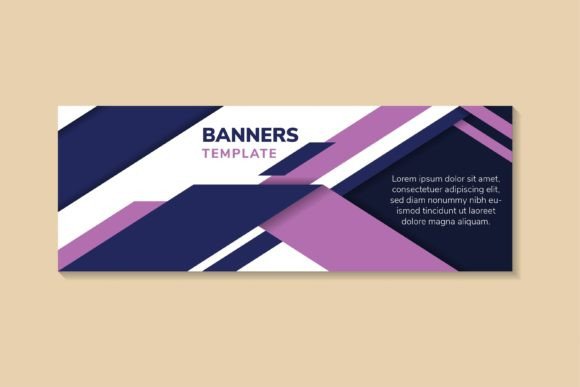
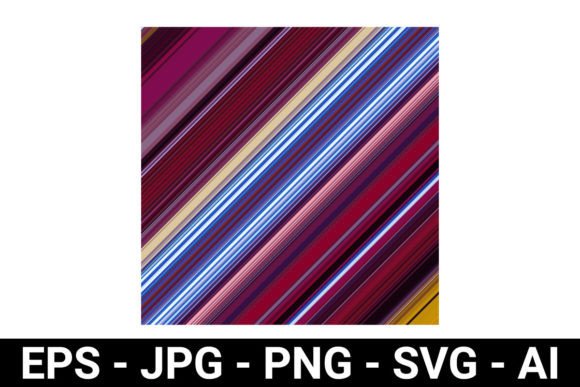
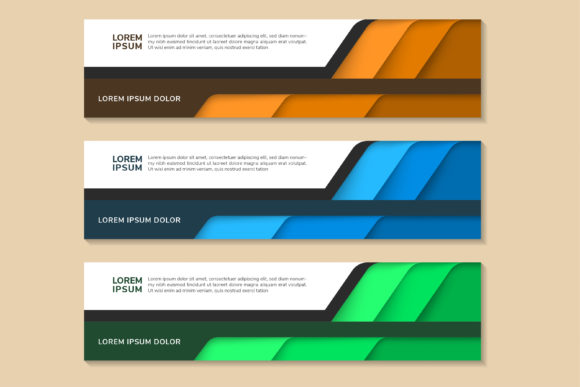
When I opened Diagonal Element Abstract Horizontal Ban for a client project — a spring launch for a handmade ceramic studio with minimalist packaging and warm, earthy branding — my first thought wasn’t “banner” or “template.” It was “rhythm.” The clean vector lines cut across the frame at confident 45-degree angles, creating subtle movement without chaos. There’s no clutter, no noise — just intentional geometry in crisp white against transparent or solid backgrounds. It reads as modern design, not generic stock. That matters. For small business branding, where every visual choice must reinforce authenticity and intention, this asset lands like a quiet upgrade.
A Mood That Supports, Not Overpowers
This isn’t a loud, saturated pattern demanding attention. It’s a supportive graphic design asset — calm but directional, structured yet organic-feeling. The diagonal elements suggest forward motion and openness, making it ideal for travel brands, wellness studios, food entrepreneurs, or creative marketplaces launching seasonal collections. In practice, it softened the starkness of a plain white product mockup for ceramic mugs while keeping focus squarely on the hand-thrown form and logo. No competing textures. No visual fatigue. Just gentle framing that elevated professionalism without sacrificing warmth.
Where It Shines in Real Client Work
- Product mockups: Layered behind a centered mug or tote bag photo, it adds depth to flat e-commerce visuals — especially effective for Etsy product listings and print-on-demand storefronts.
- Social media graphics: Works beautifully as a full-width Instagram post background or Pinterest pin base. Paired with bold sans serif typography, it creates instant cohesion for campaign visuals.
- Printable design & wall art: Scales flawlessly from A4 to poster size. Tested at 24×36 inches — no pixelation, no jagged edges. Ideal for boutique studios offering digital downloads.
- Cricut projects & sublimation design: The clean vector paths (SVG included) cut cleanly on machines. Used it as a subtle border element on custom sticker sheets for a local bakery — legible even at 1.5-inch height.
- Brand identity support: Not a logo, but a perfect secondary element — appears on invoice footers, email headers, and packaging detail strips without diluting core brand identity.
Where Caution Is Required
Don’t reach for Diagonal Element Abstract Horizontal Ban when your project hinges on extreme minimalism — think law firms, luxury skincare, or high-end editorial layouts where whitespace is sacred. It introduces *structure*, which can unintentionally compete with ultra-clean typography or delicate script fonts. Avoid pairing it with busy photographic backgrounds or low-contrast color schemes; the diagonals lose definition. And skip it for tiny UI elements — at under 120px wide, the directional flow collapses into visual static. It’s not clipart. It’s a deliberate compositional tool.
How It Shapes Perception — Beyond Aesthetics
Used well, this background reinforces trust through consistency. Clients notice when their social feed feels cohesive — same rhythm, same spacing, same visual language across posts, emails, and packaging. Diagonal Element Abstract Horizontal Ban delivers that quietly. It boosts emotional appeal by adding subtle dynamism (ideal for lifestyle or growth-oriented messaging), improves readability by guiding the eye along natural diagonal paths, and strengthens visual hierarchy when text is anchored to its implied grid. Most importantly? It signals that the brand invests in thoughtful, professional design assets — not just quick fixes.
Designer Notes You Can’t Skip
- Test it in black and white — confirm the contrast holds if you ever need monochrome versions for embroidery or stamping.
- Preview on both light and dark backgrounds. Its white vector base works best on darker tones, but verify transparency in PNG files before placing over photos.
- Check SVG editability: Open in Illustrator or Affinity Designer — ensure anchor points are clean and paths remain smooth when resized or recolored.
- Pair it intentionally: It sings with geometric sans serifs (like Montserrat or Inter), grounds expressive script fonts, and adds contrast to handwritten elements — but clashes with overly ornate display fonts.
- Verify commercial license terms — especially for print-on-demand sellers and digital product creators. Confirm usage covers resale, physical goods, and digital distribution.
- Run a print test: Output on matte and glossy paper. Some vector-heavy designs show subtle banding on budget printers — this one held up cleanly at 300 DPI.
Final Verdict for Creative Professionals
Diagonal Element Abstract Horizontal Ban is more than a banner template — it’s a flexible, production-ready design asset built for real-world constraints. It bridges the gap between editorial polish and small business practicality. Whether you’re crafting Canva templates for coaches, designing t-shirt graphics for a festival vendor, building a cohesive web design system, or sourcing SVG design for a Cricut craft bundle, this piece earns its place in your working library. It doesn’t shout. It supports. It refines. And in client work — where clarity, consistency, and quiet confidence win — that’s exactly what modern design demands.